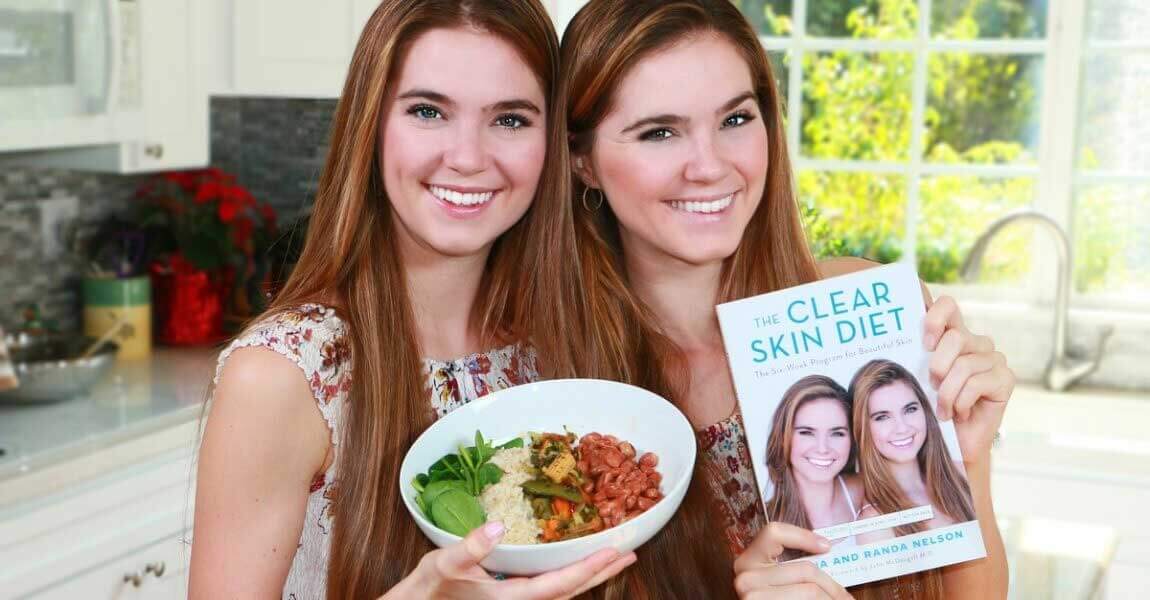
Vegetarians do not eat meat, fish, poultry, eggs, dairy products, honey or any foods derived from animals. In addition to dietary measures, vegans try not to use other animal products and by-products such as leather, fur, silk, wool, cosmetics, soaps or other products derived from animals.
People choose to be vegan for health, environmental, and/or ethical reasons. For example, some vegans feel that one promotes the meat industry by consuming eggs and dairy products. That is, once dairy cows or egg-laying chickens are too old to be productive, they are often sold as meat; and since male calves do not produce milk, they usually are raised for veal or other products. Some people avoid these items because of conditions associated with their production.
Many vegans choose this lifestyle to promote a more humane and caring world. They know they are not perfect, but believe they have a responsibility to try to do their best, while not being judgmental of others.
The key to a nutritionally sound vegan diet is variety. A healthy and varied vegan diet includes fruits, vegetables, plenty of leafy greens, whole grain products, nuts, seeds, and legumes.
It is very easy for a vegan diet to meet the recommendations for protein as long as calorie intake is adequate. Strict protein planning or combining is not necessary. The key is to eat a varied diet.
Almost all foods except for alcohol, sugar, and fats are good sources of protein. Vegan sources include: potatoes, whole wheat bread, rice, broccoli, spinach, almonds, peas, chickpeas, peanut butter, tofu, soy milk, lentils, kale...
For example, if part of a day's menu included the following foods, you would meet the Recommended Dietary Allowance (RDA) for protein for an adult male: 1 cup oatmeal, 1 cup soy milk, 2 slices whole wheat bread, 1 bagel, 2 Tablespoons peanut butter, 4 ounces tofu, 1 cup broccoli, and 1 cup brown rice.
Vegan diets are free of cholesterol and are generally low in fat. Thus eating a vegan diet makes it easy to conform to recommendations given to reduce the risk of major chronic diseases such as heart disease and cancer. High-fat foods, which should be used sparingly, include oils, margarine, nuts, nut butters, seed butters, avocado, and coconut.
Vitamin D is not found in the vegan diet but can be made by humans following exposure to sunlight. At least ten to fifteen minutes of summer sun on hands and face two to three times a week is recommended for adults so that vitamin D production can occur.
Calcium, needed for strong bones, is found in dark green vegetables, tofu processed with calcium sulfate, and many other foods commonly eaten by vegans. High protein animal food diets appear to lead to increased calcium losses; thus calcium requirements for those on plant-based protein diets are believed to be less than the usual recommendations.
Other sources of calcium include: okra, sesame seeds, turnip greens, soybeans, figs, tempeh, almond butter, broccoli, fortified soymilk.
The RDA for calcium for adults 25 and older is 800 milligrams per day. United States recommendations are more than 50% higher than those for the British and Japanese.
Note: It is theorized that oxalic acid, which is found in spinach, rhubarb, chard, and beet greens, may bind with calcium and reduce calcium absorption. Calcium is well absorbed from other dark green vegetables.
CALCIUM CONTENT OF SELECTED FOODS
Following are some good sources of calcium:
___________________________________________________________
Tofu, firm, processed with
calcium sulfate 4 oz 250-765 mg
Tofu, regular, processed with
calcium sulfate 4 oz 120-392 mg
Collard greens, cooked 1 cup 357 mg
Whole milk 1 cup 291 mg
Spinach, cooked 1 cup 278 mg
Blackstrap molasses 2 Tbsp 274 mg
Tofu, firm, processed with nigari 4 oz 80-230 mg
Kale, cooked 1 cup 179 mg
Tahini 2 Tbsp 128 mg
Almonds 1/4 cup 97 mg
___________________________________________________________
Zinc intakes of vegans are usually adequate, since zinc is found in grains, legumes, and nuts.
Dried beans and dark green vegetables are especially good sources of iron, better on a per calorie basis than meat. Iron absorption is increased markedly by eating foods containing vitamin C along with foods containing iron.
Soybeans, lentils, blackstrap molasses, kidney beans, chickpeas, black-eyed peas, seitan, Swiss chard, tempeh, black beans, prune juice, beet greens, tahini, peas, figs, bulghur, bok choy, raisins, watermelon, millet, kale....
Here are the iron contents of selected foods:
______________________________________________
FOOD IRON (MG)
______________________________________________
1 cup cooked soybeans 8.8
1 cup cooked lentils 8.6
2 Tbsp blackstrap molasses 6.4
1 cup cooked kidney beans 5.2
1 cup cooked chickpeas 4.7
1 cup cooked Swiss chard 4.0
1 cup cooked lima beans 2.3
1/8 medium watermelon 1.6
______________________________________________
Vitamin B12
The requirement for vitamin B12 is very low. Non-animal sources include Grape Nuts cereal and Red Star nutritional yeast T6635 (1 to 2 teaspoons supplies the adult RDA). It is especially important for pregnant and lactating women, infants, and children to have reliable sources of vitamin B12 in their diets. Numerous foods are fortified with B12, but sometimes companies change what they do. So always read labels carefully or write the companies.
Tempeh, miso, and seaweed are often labeled as having large amounts of vitamin B12. However, these products are not reliable sources of the vitamin because the amount of vitamin B12 present depends on the type of processing the food undergoes. Other sources of vitamin B12 are fortified soy milk (check the label as this is rarely available in the U.S.), vitamin B12-fortified meat analogues, and vitamin B12 supplements. There are supplements which do not contain animal products. Vegetarians who are not vegan can also obtain vitamin B12 from dairy products and eggs.
Oatmeal, stir-fried vegetables, cereal, toast, orange juice, peanut butter on whole wheat bread, frozen fruit desserts, lentil soup, salad bar items like chickpeas and three bean salad, dates, apples, macaroni, fruit smoothies, popcorn, spaghetti, vegetarian baked beans, guacamole, chili...
Tofu lasagna, homemade pancakes without eggs, hummus, eggless cookies, soy ice cream, tempeh, corn chowder, soy yogurt, rice pudding, fava beans, banana muffins, spinach pies, oat nut burgers, falafel, corn fritters, French toast made with soy milk, soy hot dogs, vegetable burgers, pumpkin casserole, scrambled tofu, seitan.
When Eating Out Try These Foods
Pizza without cheese, Chinese moo shu vegetables, Indian curries and dahl, eggplant dishes without the cheese, bean tacos without the lard and cheese (available from Taco Bell and other Mexican restaurants), Middle Eastern hummus and tabouli, Ethiopian injera (flat bread) and lentil stew, Thai vegetable curries...
As a binder, substitute for each egg:
The following substitutions can be made for dairy products:
© 1996-1998 The Vegetarian Resource Group Please visit VRG!