|
Scenario Two:
You've eaten a vegetarian diet for 5 years and you've just learned
that you're pregnant. You wonder whether you're doing your baby
a favor or irreparable harm if you follow your diet throughout pregnancy.
And since nobody in your family has raised a vegetarian child, where
will you find the knowledge and support you need to successfully
feed your children the diet which you believe is best for their
physical, emotional and spiritual well being?
Scenario Three:
You've just read The Food Revolution by EarthSave founder
John Robbins and you've decided that you'd like your whole family
to eat a plant-based diet. Your wife will probably go along with
you, but what about your teenage son and your eight year-old daughter?
How will you help them to eat a healthier diet in the face of mass
marketing of fast foods and lots of pressure from peers?
Whether you've found yourself in one of these scenarios, or whether
you would just like helpful tips on raising healthy children, renowned
authors and educators Vesanto Melina and Joanne Stepaniak come to
the rescue with the answers to all of your concerns in their new
book, Raising Vegetarian Children: A Guide to Good Health and
Family Harmony.
There
are several good books currently available to educate adults about
eating healthy vegetarian diets (including Melina's Becoming
Vegetarian and Becoming Vegan), but there hasn't been much up-to-date
assistance for raising children on vegetarian diets. Raising Vegetarian
Children changes that, addressing every issue you could imagine
related to children and healthy diets. Indeed, Melina and Stepaniak
are so thorough, it's like having a dietitian, a child psychologist
and a good friend at your disposal all of the time. They do everything
they can to make this easy, short of cooking dinner for you!
Raising Vegetarian Children addresses the nuts and bolts
of vegetarian nutrition in terms that anyone can understand. Yet,
even if you're a lifelong vegetarian, you'll certainly learn new
things from this up-to-date information that will help you to make
the best decisions about how to feed your children. Most parents
of vegetarian kids face opposition from grandparents, friends and
even their doctors. This book provides you with all of the nutritional
information you'll need in order to feel confident that you're making
great choices for your family. This book shows how vegetarian diets
are not only safe for kids, but how they can protect your children
from obesity, and from many of the pre-conditions for diseases they
would otherwise likely face as adults.
Obesity is a growing problem for American children, and signs of
heart disease are showing up in children younger than 10. Furthermore,
children are acquiring Type-II diabetes-historically reserved for
adults only-at alarming rates as a result of poor diets and lack
of exercise. Raising Vegetarian Children teaches you how
to minimize the chance that your child will experience these problems,
and how to maximize the chance that she will develop healthy eating
habits that will stay with her for life.
Raising Vegetarian Children balances Melina's impeccable
knowledge of nutrition with Stepaniak's expertise on the social,
ethical and psychological effects of food. They teach that being
healthy means more than eating healthy. To this end, this book offers
practical parenting advice on how to talk with your kids about animal
issues, how to handle social pressures, and how to teach your kids
not to judge friends and family members who eat animal products.
Stepaniak and Melina know that a balanced life means more than a
series of balanced meals.
This book is broken into three primary parts: Approaches to Vegetarian
Living; Nourishing Our Children; and Recipes for Every Occasion.
The first part deals with practical matters related to vegetarianism
and kids: tips on living in a non-veg world; how to keep a healthy
psychological approach to eating; setting good examples for your
kids, etc. The second part handles the basics of vegetarian nutrition.
And the third part provides recipes and suggestions for enjoying
cooking.
The nutrition section is separated into chapters related to stages
of development for kids. The authors first go through the basics
of healthy eating: balancing carbs, protein, fat, etc. They provide
plenty of evidence of the safety and health benefits of a whole
foods, plant-based diet. And they answer more difficult questions
related to matters like Vitamin B-12, Omega-3 fatty acids, etc.
Next, they walk you through your journey, from pregnancy to infancy
to childhood to adolescence. The meal plans are particularly helpful,
and illustrate the types of foods which they recommend for growing
kids.
The authors also provide helpful tips for special challenges: picky
kids, food allergies, weaning from breast milk and/or formula, children
athletes, and eating disorders. Since each child is different, and
each parenting style is unique, Melina and Stepaniak provide you
with the tools (and not just the rules) for successfully addressing
these issues.
The last section of this book handles the "proof in the pudding."
All of the nutritional knowledge and practical tips in the world
mean nothing unless the food is tasty for your children. And nobody
has more experience with tasty vegetarian recipes (especially simple,
everyday ones) than Joanne Stepaniak. You'll find recipes for healthy,
kid-friendly foods like mock cheese spreads, sandwiches, burritos,
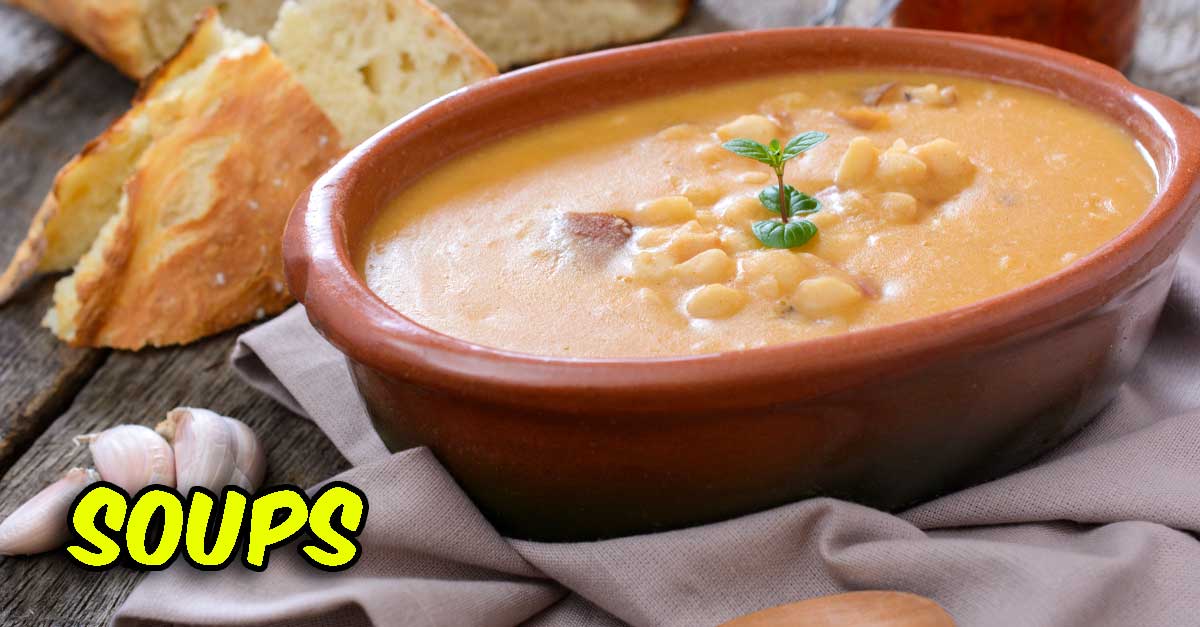
smoothies, soups, pastas (including a delicious Cheez-A-Roni), stir-fries,
pizzas, tacos, burgers, desserts and many more staples for growing
families. There is also a very useful table of basic substitutions
for dairy, eggs, meat and sugar.
The first chapter of Raising Vegetarian Children sums up
the whole book: "Raising vegetarian children is an exciting
and rewarding adventure. It presents a remarkable opportunity to
help construct the future we all yearn to have for ourselves and
our children-a world brimming with vibrant good health, loving kindness,
peace, tolerance, and compassion for all." With this book as
your guide, you'll be well on your way to creating such a future,
starting right in your own home.
John
D. Borders, Jr.
is the father of two vegetarian children who eat anything and one
vegetarian picky eater who puts all of Stepaniak's and Melina's
work to the test.
|